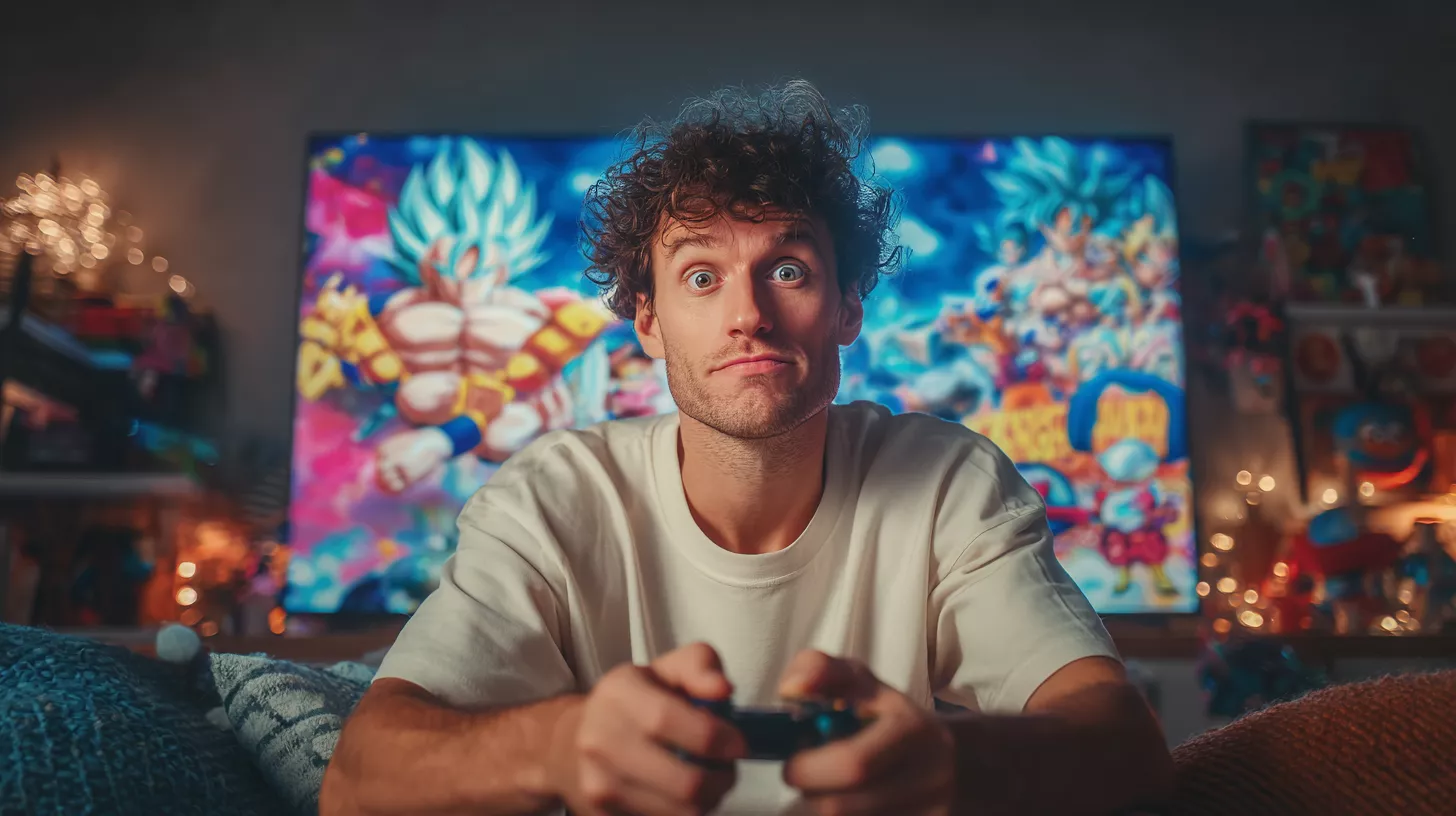
Countries like France and Australia are banning social media for under-16s to address the growing mental health crisis among youth. Research shows that early exposure to algorithm-driven platforms increases risks of anxiety, sleep disorders, and digital addiction in adolescents.
Too young to scroll? Why youth mental health demands urgent social media regulation
28.01.2026
Benoît Vancauwenberghe
50
Share on :
Images designed with next-gen intelligence.
Written by Benoît Vancauwenberghe, European strategist and leading expert on Generation Z.
Introduction: The “digital Marlboro” of the 2020s
What if TikTok were the Marlboro of our era? Behind the viral trends, playful filters, and catchy dances lies a darker reality: algorithms meticulously engineered to hijack young attention spans, often at the expense of mental resilience.
In 2026, the tide is turning. France and Australia have passed landmark legislation banning social media for under-15s and under-16s, respectively. But the deeper question lingers: can regulation truly protect a generation already deeply “plugged in”?
Historic bans: a necessary firewall or symbolic gesture?
On December 10, 2025, Australia implemented a total ban on social media access for anyone under 16, with no parental exception. The impact was instant: over 4.7 million accounts were deactivated in just a few weeks, according to national digital safety regulators.
France followed. In January 2026, a law was passed to ban social media access for those under 15, effective September 2026. Platforms will be legally required to implement robust age-verification systems or face fines and legal action.
The objective is clear: limit early exposure to a digital casino. Every ping is a dopamine hit. Every like a loop of validation. And for adolescents still developing core psychological structures, this cycle is not just distracting, it’s destabilizing.
- Bans are designed to protect adolescents from platforms that exploit their neurological vulnerabilities.
The silent crisis: mental health in free fall
Today’s teenagers are constantly connected — and yet, they’ve never felt more alone.
In France, 2025 data from Santé publique France reveal that nearly 4 in 10 young people suffer from anxiety or depressive disorders, a figure that has been rising consistently since the pandemic. Sleep deprivation is widespread. Paradoxically, isolation is growing in an era of perpetual digital contact.
An Amnesty International report in late 2025 confirmed that TikTok’s algorithm can expose minors to depressive or self-harm content in under 20 minutes. This isn’t an accident. It’s an attention-maximizing strategy, fine-tuned to keep young eyes glued to the screen.
- These concerns are not speculative. Reputable institutions like Amnesty, UNICEF, and Eurofound have warned about the link between algorithmic design and declining youth mental health.
Why Gen ZAlpha is uniquely exposed
Born between 2006 and 2012, Gen ZAlpha is the first cohort raised entirely in an algorithm-driven landscape of short-form content.
For them, identity is shaped in digital spaces where image trumps language, and where attention is the core currency. Neurologically, their prefrontal cortex — responsible for impulse control, critical thinking, and emotional regulation — is still under construction. Social media platforms are not passive tools, but engineered environments built to bypass developing cognitive defences.
- Gen ZAlpha lacks the neurological maturity to resist social media’s attention traps.
Regulation vs. reality: don’t be naive
The intentions may be noble, but the execution is already facing resistance. In Australia, tech-savvy teens are using VPNs, shared family accounts, or migrating to lesser-known platforms. In France, experts continue to question whether current age-verification technologies are even enforceable.
Let’s be clear: a ban without education will backfire.
Disconnecting TikTok without explaining the why risks creating resentment, not resilience.
- Enforcement gaps and a lack of public education may undermine social media bans.
Radical digital literacy: the real missing piece
This regulatory wave exposes a deeper flaw in our education systems. What young people need isn’t just restriction; they need a “digital licence.”
Teens must be taught to:
- Decode algorithms to understand how their attention is commodified.
- Identify psychological triggers linked to excessive exposure.
- Shift from passive scrolling to active, intentional creation.
This isn’t about demonizing screens. It’s about equipping young people with the tools to ensure they aren’t the products of a system they don’t control.
- UNICEF and OECD frameworks for digital education call for the development of “algorithmic awareness” and digital self-regulation starting in early secondary school.
Conclusion: A warning signal, not a final word
Regulating social media for under-16s is a milestone. It sends a clear political and cultural signal: youth mental health is more important than engagement metrics. But this is not the final step. It’s a stress test.
If regulation isn’t paired with ambitious digital education reform and pressure on platforms to redesign their engagement models, it will fail. In 2026, protecting youth doesn’t mean disconnecting them. It means teaching them how to navigate.
Yes, TikTok’s algorithm can expose teens to harmful content, including self-harm and depressive material, in under 20 minutes. According to Amnesty International, this isn’t a bug — it’s a design feature optimized for engagement at any cost.
Bans can reduce early exposure, but alone they’re not enough. Without education, enforcement, and platform redesign, many teens will bypass restrictions and remain vulnerable to algorithmic manipulation.
Digital literacy means understanding how platforms work, including how algorithms influence what we see. Teaching teens to decode these systems helps them shift from passive users to critical thinkers, an essential skill for mental health in the digital age.
Keynote speaker on Gen Z, digital wellbeing & the future of attention
Looking for a speaker who goes beyond the panic to deliver clarity, evidence, and edge? Benoît Vancauwenberghe speaks across Europe on Gen Z mental health, digital culture, and social media regulation.


You may also like these articles
Explore our collection of articles decoding youth culture, Gen Z, and Gen Alpha.